I’m running an HP Z230 SFF as my little homeserver for the last 5 years. It is not the most powerful, but it was energy-efficient enough, and was doing great for the things I’m running on it, so I kept using it. Recently I noticed that despite being idle, the power usage was higher than normal. Normally the power usage with idle workload oscillates around 25-30W, but it was at nearly 60W.
On Proxmox I didn’t see that any VM was using much CPU, so I dug deeper. In top on the host, I noticed that only one core was maxed out, and the process kworker/1:3+usb_hub_wq was using a lot of CPU.
Backblaze B2 Operator for Kubernetes
As you might guess by some of my older entries, I’m a fan of Backblaze B2 object storage.
Some time ago I created my first Kubernetes operator using Operator-SDK in Golang. Before that, I had some experience with python pykube/kopf, but these libraries are pretty much abandoned, so I decided to take a look at the “first party” solution.
I wanted to create Backblaze B2 buckets and keys in the cluster, but I noticed that at the time, there weren’t any operators available, so I created my own. It supports creating buckets and keys with ACL. I know - what a diversity of feature from a storage operator
Exposing service from Runpod.io (and others) to netbird network
Sometimes you need a better GPU for testing - service offerings like runpod.io or salad cloud is cool, for setup a quick docker container for testing, however currently both runpod and salad are missing the ability to setup some kind of sidecar, which would allow user to setup for example a vpn connection to internal network, so you can access the external container from your secure network and not just directly throught the internet.
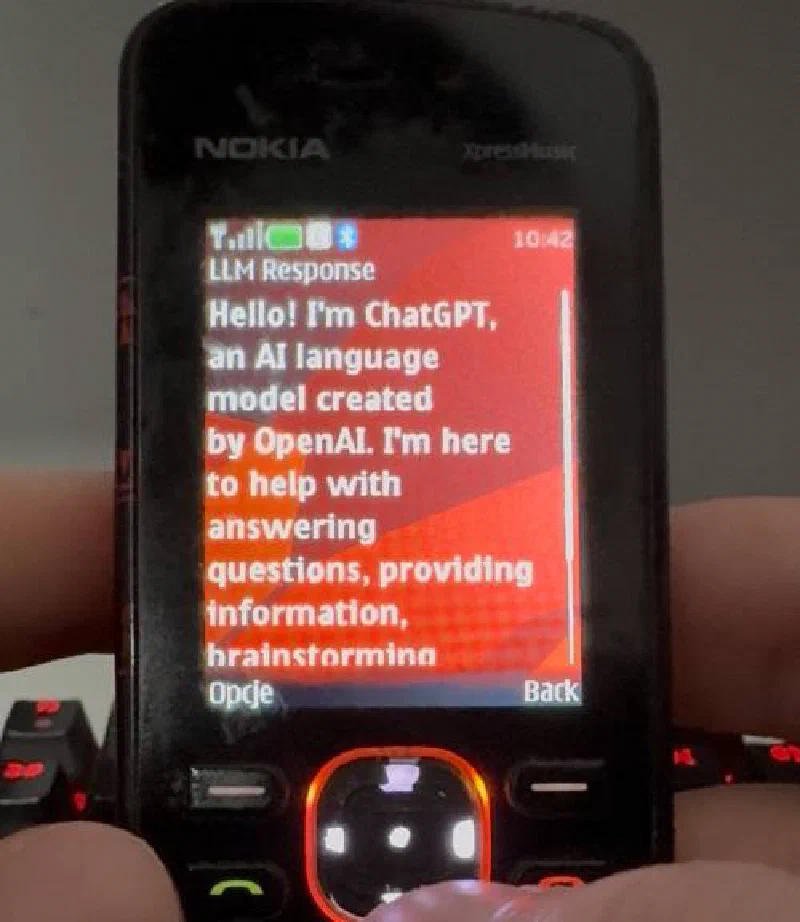
ChatGPT on feature phone

Last weekend, I was wondering, how hard it would be to create a app for a featurephone/dumbphone/brick however you want to name it. I never made any application for pre-android era phones and did not have the opportunity. All i know that it can be done in Java. I never actually programmed in java either, but I decided to give it a shot.
Setting up the IDE
I thought that this would take much longer, and I will probably need to create a VM with something like windows xp, however i found a easy to follow tutorial with working download links that helped me setup the environment in less than 30 minutes. I was suprised that it worked without issue even on windows 10. If you also want to setup J2ME environment here is the link to youtube (author disallows playback on external sites :/)
FYI: My HTTP routes are not visible after migrating from regular docker to docker swarm!!
Recently, during migration from one host to another, we had a idea to run the docker in swarm mode, so i future, when we needed more capacity, we could just add more nodes “without the complexity of kubernetes”. However, after starting the working docker-compose in the docker swarm mode, i noticed that the traefik was not picking up the labels from the containers and i couldn’t really figure out why.